
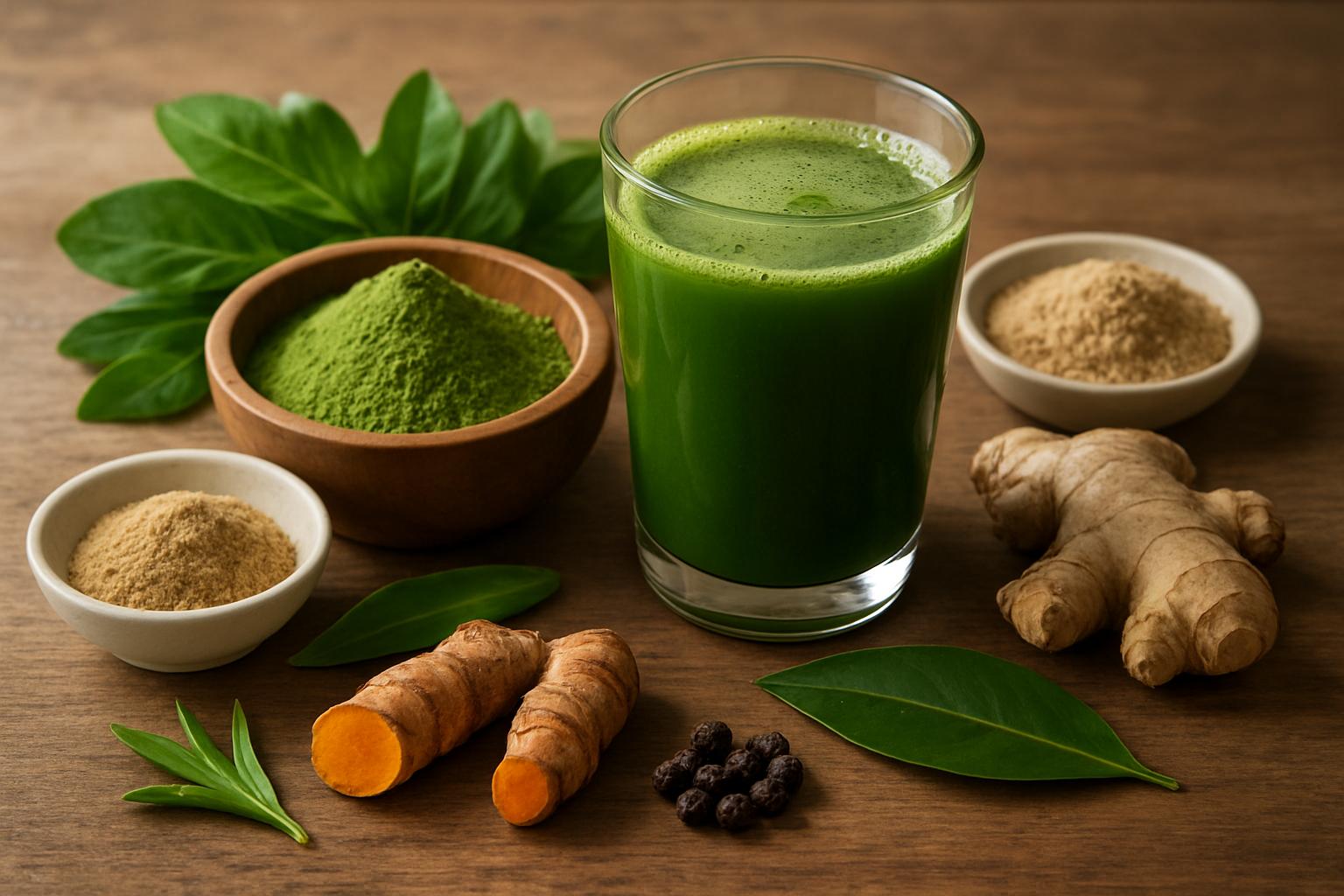
Ayurvedic Detox for Digestive Health: A Natural Guide to Better Gut Wellness

Feeling sluggish, bloated, or mentally foggy often has roots deeper than diet alone. Ayurveda offers a time-tested framework for resetting digestion through simple food choices, daily routines, and targeted herbs. This article maps a practical, gentle path you can follow to restore digestive balance and build lasting gut resilience.
What Ayurveda sees when it looks at digestion
Ayurveda treats digestion as the foundation of health; it calls the digestive fire agni. Strong, well-regulated agni turns food into nourishment and energy, while weak or irregular agni creates metabolic residue called ama, which clogs channels and fuels imbalance.
This view is not mystical shorthand — it provides practical signals to observe: appetite patterns, stool consistency, gas, taste in the mouth, and energy after eating. Those signs guide the choice of foods, spices, and daily habits to support digestion.
Rather than a one-size cleanse, Ayurvedic detoxes adapt to your constitution and current imbalance, aiming to clear ama gently while strengthening agni. That dual focus — remove the block and rebuild digestive capacity — is the heart of an Ayurvedic approach to gut wellness.
Key concepts: doshas, agni, and ama
Doshas are three functional forces — Vata, Pitta, and Kapha — that describe tendencies in body and mind. They influence digestion: Vata types tend toward irregular appetite and gas, Pitta types toward strong digestion but inflammation, and Kapha toward slow digestion and heaviness.
Agni refers to metabolic fire at multiple levels, from digestion in the gut to cellular metabolism. When agni is balanced, digestion is efficient and energy is steady; when it’s weak or erratic, undigested particles accumulate as ama and lead to symptoms.
Ama acts like sticky residue — it dulls digestion, blocks subtle channels, and can produce inflammation or sluggish elimination. The early goal of any Ayurvedic detox is to identify and reduce ama while avoiding practices that further shock or weaken the system.
How digestive imbalance shows up (signs to watch for)
Not every gut problem is the same, and Ayurveda emphasizes nuance. Common signs that a detox might help include persistent bloating, belching, irregular stools, a coated tongue, low energy, and food sensitivities that seem new or worsening.
Look for patterns: Do symptoms flare after certain foods, late-night meals, or stress? Does your digestion behave differently across seasons? These patterns point to which dosha or combination of doshas is involved and how to tailor changes.
It’s also important to distinguish temporary discomfort from warning signs of serious disease. Blood in stool, unintentional weight loss, high fevers, or severe abdominal pain require prompt medical evaluation rather than home detoxing.
Assessing your digestive type: a brief dosha guide
Knowing your dominant dosha helps pick the right detox strategy. Use this quick guide as a starting point and adjust based on current symptoms rather than identity alone.
| Dosha | Typical digestion | Common imbalances |
|---|---|---|
| Vata | Variable appetite; gas and bloating; quick digestion when regular | Constipation, irregular hunger, sensitivity to cold and dryness |
| Pitta | Strong appetite; heartburn or acidity when aggravated | Acid reflux, loose stools, inflammation, irritability |
| Kapha | Slow appetite; heavy feeling after meals | Sluggish digestion, excess mucus, overweight, low motivation |
Many people have a mixed constitution; treat the dosha that’s most aggravated first. If in doubt, aim for measures that strengthen agni and reduce ama without extreme fasting or harsh purging.
Principles of a gentle Ayurvedic detox
A meaningful detox in Ayurveda follows three simple rules: reduce ama, strengthen agni, and restore balance to the doshas. That sequence prevents pushing toxins around and damaging delicate systems.
Start with digestion-supporting food, light movement, and warming spices that promote gut motility and enzymatic activity. Avoid extremes — aggressive cleanses or prolonged fasting can weaken agni and backfire.
Hydration, regular sleep, and stress management are part of every detox. They are not optional extras; supporting the nervous system and elimination pathways is essential to clear ama and rebuild resilient gut function.
Dietary foundations: what to eat and what to avoid
Food is the primary tool in an Ayurvedic detox. The emphasis is on simple, freshly prepared meals that are warm, easy to digest, and spiced to stimulate agni. Kitchari — a one-pot dish of mung dal and rice with spices — is the classic reset food.
Avoid cold, raw, and hard-to-digest foods during the detox: raw salads, iced drinks, fried foods, heavy dairy, and processed items. These tend to increase ama and slow elimination, especially for Kapha and Vata types.
Favor soups, stews, warm grains, cooked vegetables, and correctly spiced dishes. Use ginger, cumin, coriander, fennel, and turmeric to support digestion. Eat at consistent times and stop before you feel completely full to avoid overloading agni.
Sample foods to include
Warm water or herbal teas, kichari, steamed vegetables, moong dal, basmati rice, roasted root vegetables, light soups, and small amounts of ghee or olive oil are supportive. Freshly cooked foods are better than leftovers when possible.
Lean proteins (lentils, mung beans, small amounts of fish or poultry if appropriate) can be included based on constitution and tolerance. Fermented foods like yogurt or kefir are helpful for some but should be used cautiously if there is ama or heat-related symptoms.
Foods and habits to avoid during a detox
- Cold drinks and ice
- Raw salads and heavy raw vegetables
- Processed sugars, fried foods, and refined flours
- Excessive dairy, especially cheese and heavy creams
- Overeating or late-night heavy meals
Modifying these habits for a short detox period makes a dramatic difference for many people. The goal is to reduce digestive workload while stimulating efficient metabolism and elimination.
Herbs and supportive supplements
Ayurvedic herbs play a targeted role in clearing ama and supporting digestive fire. They should be chosen according to dosha and current symptoms, and ideally used under the guidance of a trained practitioner if taken as concentrated supplements.
Common digestive herbs include ginger, Triphala, fennel, cumin, coriander, turmeric, and hing (asafoetida). Each has specific actions: ginger stimulates agni, Triphala supports gentle bowel clearance, and turmeric modulates inflammation.
Commercial Ayurvedic formulations aimed at digestion can be effective, but quality varies. Choose reputable brands and check interactions if you take prescription medications. Pregnant or nursing women and people with chronic conditions should consult a clinician before starting herbal regimens.
Staples for a home detox kit
- Fresh ginger root and turmeric
- Whole spices: cumin, coriander, fennel, black pepper
- Triphala powder or tablets for gentle cleansing
- Hing (asafoetida) for gas relief, especially for Vata types
- Ghee or warming oils for cooking and gentle lubrication
These are practical, kitchen-friendly options that support many gentle detox plans without requiring complicated preparations or expensive supplements.
Daily routine (dinacharya) to support gut reset
Dinacharya — daily rhythm — is central to Ayurveda and especially useful during a detox. Small, consistent habits compound rapidly: warm water on waking, oil pulling if tolerated, tongue scraping, and a light breakfast timed to your appetite.
Waking and eating at consistent times helps regulate circadian rhythms and digestive enzymes. Prioritize a restful night’s sleep and avoid late-night eating, which disrupts agni and impairs detox pathways.
Incorporate movement that suits your dosha: gentle walks or yoga for Kapha, steady moderate exercise for Pitta, and grounding, rhythmic practices for Vata. Avoid vigorous training during an intense detox unless supervised.
Simple morning routine
Start with a cup of warm water to wake digestion and support elimination. If you enjoy oil pulling, 5–10 minutes with sesame or coconut oil can be calming and cleansing for the mouth and throat.
Follow with light stretching or a short yoga sequence that stimulates abdominal organs. Eat a warm, nourishing breakfast when hunger is present — often kichari, congee, or spiced oats during a short detox.
Traditional therapies: when to consider Panchakarma
Panchakarma is a set of classical Ayurvedic detox therapies designed to remove deeper layers of ama and reset physiology. It includes preparatory steps, therapeutic purgation, and rejuvenation practices tailored by a practitioner.
This is not a DIY option; Panchakarma should be performed by trained professionals. It can be transformative for chronic, deep-rooted imbalances but is intense and not necessary for most mild to moderate digestive issues.
If you have significant chronic disease, autoimmune conditions, or on multiple medications, seek coordinated care between your medical provider and an Ayurvedic therapist before pursuing Panchakarma.
A practical 7-day Ayurvedic detox plan
Below is a gentle, do-able 7-day plan that many people can try at home. It prioritizes digestive rest, easy-to-digest meals, warming spices, and daily routines to support elimination and rebuild agni.
Adjust portions and specifics based on your dosha and current health. If you have diabetes, thyroid disease, or are pregnant, consult your healthcare provider before beginning any cleanse.
Day 1: Reset and simplify
Start by removing processed foods, alcohol, and caffeine. Drink warm water throughout the day and replace heavy meals with light, spiced soups and kichari by evening.
Begin gentle movement like a 20–30 minute walk and practice 10 minutes of deep breathing in the morning and evening to calm the nervous system.
Day 2–3: Build warming support
Continue with kichari, steamed vegetables, and broths. Add fresh ginger-infused tea and small amounts of ghee for lubrication and digestive support. Use cumin, coriander, and fennel in meals to ease bloating.
Try Triphala at bedtime if you need gentle bowel support, and maintain consistent sleep and meal times to rebalance rhythms and appetite cues.
Day 4–5: Encourage elimination and clarity
Observe how your stool looks and energy levels change. If elimination is sluggish, consider increasing warm liquids and a small dose of Triphala in the evening. Reduce heavy legumes or grains if they feel difficult to digest.
Introduce restorative practices like a supportive self-abhyanga (warm oil massage) before showering to stimulate circulation and calm Vata tendencies.
Day 6–7: Reintegration and maintenance
Begin to reintroduce a broader palette of foods slowly, paying attention to reactions. Keep meals simple, avoid big social feasts, and maintain the spices and warm preparations that supported digestion.
Plan for a longer-term follow-up: which foods felt best, what routines you want to keep, and whether further professional guidance is useful to address persistent issues.
Practical recipes for the detox
Simple recipes that use common pantry spices make this approach sustainable. Here are a few easy ones that I’ve used personally when resetting digestion with good results.
Kichari (basic recipe)
Ingredients: 1/2 cup basmati rice, 1/2 cup split yellow mung dal, 1 tsp ghee, 1 tsp cumin seeds, 1 tsp grated ginger, pinch of turmeric, 4 cups water, salt to taste.
Method: Rinse grains, sauté cumin in ghee briefly, add ginger and turmeric, then rice, dal, and water. Simmer 20–30 minutes until soft and porridge-like. Serve warm with a squeeze of lemon if desired.
Soothing fennel-ginger tea
Simmer 1 teaspoon crushed fennel seeds and a 1-inch slice of fresh ginger in 2 cups of water for 10 minutes. Strain and sip warm after meals to reduce bloating and support digestion.
Movement, breath, and sleep: non-dietary cornerstones
Physical activity stimulates intestinal motility, lymph flow, and mood. Aim for consistent, moderate movement rather than intermittent extremes, choosing practices that match your dosha and current energy level.
Breathwork and meditation support the parasympathetic nervous system, which in turn enhances digestion and absorption. Techniques like alternate nostril breathing or simple diaphragmatic breathing for five to ten minutes daily can lower stress-related digestive symptoms.
Sleep timing and quality have an outsized impact on gut health through circadian regulation of digestive enzymes and microbiota rhythms. Prioritize regular sleep schedules and wind-down rituals during a detox to maximize benefit.
Microbiome and Ayurveda: complementary perspectives
Modern microbiome science and Ayurveda converge around the idea that the gut ecosystem shapes whole-body health. While Ayurveda uses foods, spices, and routines to cultivate a balanced inner terrain, probiotics and prebiotics can be complementary tools.
Fermented foods and mild probiotic supplements may be helpful after initial detox, once agni has been strengthened. If you choose supplements, select evidence-based strains and use them alongside dietary changes, not as a substitute.
Treat the microbiome as part of a broader ecology: stress, sleep, food timing, and motility all shape microbial balance. A holistic plan yields better, longer-lasting results than isolated interventions.
Safety, contraindications, and when to see a professional
A gentle Ayurvedic detox is safe for many people, but not everyone. People who are pregnant or breastfeeding, living with uncontrolled chronic illness, taking certain medications, or who have undergone recent surgery should avoid unsupervised detox practices.
Seek medical attention for severe abdominal pain, persistent fever, bloody stools, or sudden weight loss. For complex chronic issues, coordinate care between your primary clinician and an experienced Ayurvedic practitioner to ensure safe, integrated treatment planning.
Start conservatively: if a detox makes you feel markedly worse — increased fatigue, dizziness, or severe gastrointestinal upset — stop and consult a clinician. Small, gradual changes often work better and are easier to maintain.
Real-life examples and author experience
I tried a gentle Ayurvedic reset during a period of chronic bloating and irregular stools. I simplified my meals to warm soups and kichari, used ginger tea and a few supportive spices, and maintained consistent sleep for ten days.
The changes were modest but meaningful: reduced bloating, clearer appetite cues, and improved morning energy. The key win was awareness — noticing which foods and rhythms supported my digestion and which undermined it.
In clinical work with clients, I’ve seen similar patterns: short, well-structured resets often provide the clarity needed to make longer-term changes. People frequently report decreased cravings, better sleep, and a sense of lighter digestion after a week of mindful dietary shifts.
Long-term strategies to preserve gut gains
Once the initial detox phase is over, the work shifts toward maintenance: regular meal timing, continued use of supporting spices, mindful eating, and selective reintroduction of previously eliminated items. This prevents relapse into patterns that created ama.
Consider seasonal mini-resets: a light two- to three-day kichari cleanse at seasonal transitions can be protective, especially for Kapha-prone individuals in spring. For Vata-prone people, prioritize grounding foods and warmth during cold, dry months.
Keep a food-and-symptom journal for a month after the detox to identify triggers and supportive choices. That record helps you tailor a diet and routine that sustain healthy digestion long-term.
Quick reference: daily checklist for a gentle detox
- Warm water on waking; fennel or ginger tea after meals
- Simple meals: kichari, soups, steamed vegetables
- Use digestive spices: cumin, coriander, fennel, ginger, turmeric
- Consistent meal and sleep times; avoid late-night eating
- Gentle movement daily and 5–10 minutes of breathwork
- Triphala for gentle evening bowel support if needed
This short checklist helps maintain focus and prevents the “all or nothing” approach that often undermines sustainable change.
Frequently asked questions
How long should I follow an Ayurvedic detox? A gentle detox can last from three to seven days; longer programs may be appropriate under practitioner supervision. The goal is to support digestion without causing undue stress.
Can I exercise during the detox? Yes, but keep exercise moderate. Gentle walks, restorative yoga, and light strength work are preferred. Avoid high-intensity training if you feel fatigued.
Will I lose weight? Some short-term weight change is common, but the primary aim is metabolic clarity and digestive health. Sustainable weight change follows when improved digestion and appetite regulation continue over time.
Putting it together: a realistic plan you can follow
Begin with a two- to seven-day reset tailored to your dosha and symptoms, emphasizing warm, simple foods and supportive spices. Keep movement gentle, prioritize sleep, and use mild herbs like ginger and Triphala as needed for elimination.
Transition back to a balanced, seasonal diet and maintain the most helpful daily practices: warm water on waking, consistent meal times, and regular breathwork. Use the detox experience as a diagnostic tool to discover what truly supports your digestion.
Working with an experienced Ayurvedic practitioner can enhance results, especially for persistent or complex issues. When combined with appropriate medical oversight, an Ayurvedic detox can be a safe, effective path to lasting gut wellness.


