
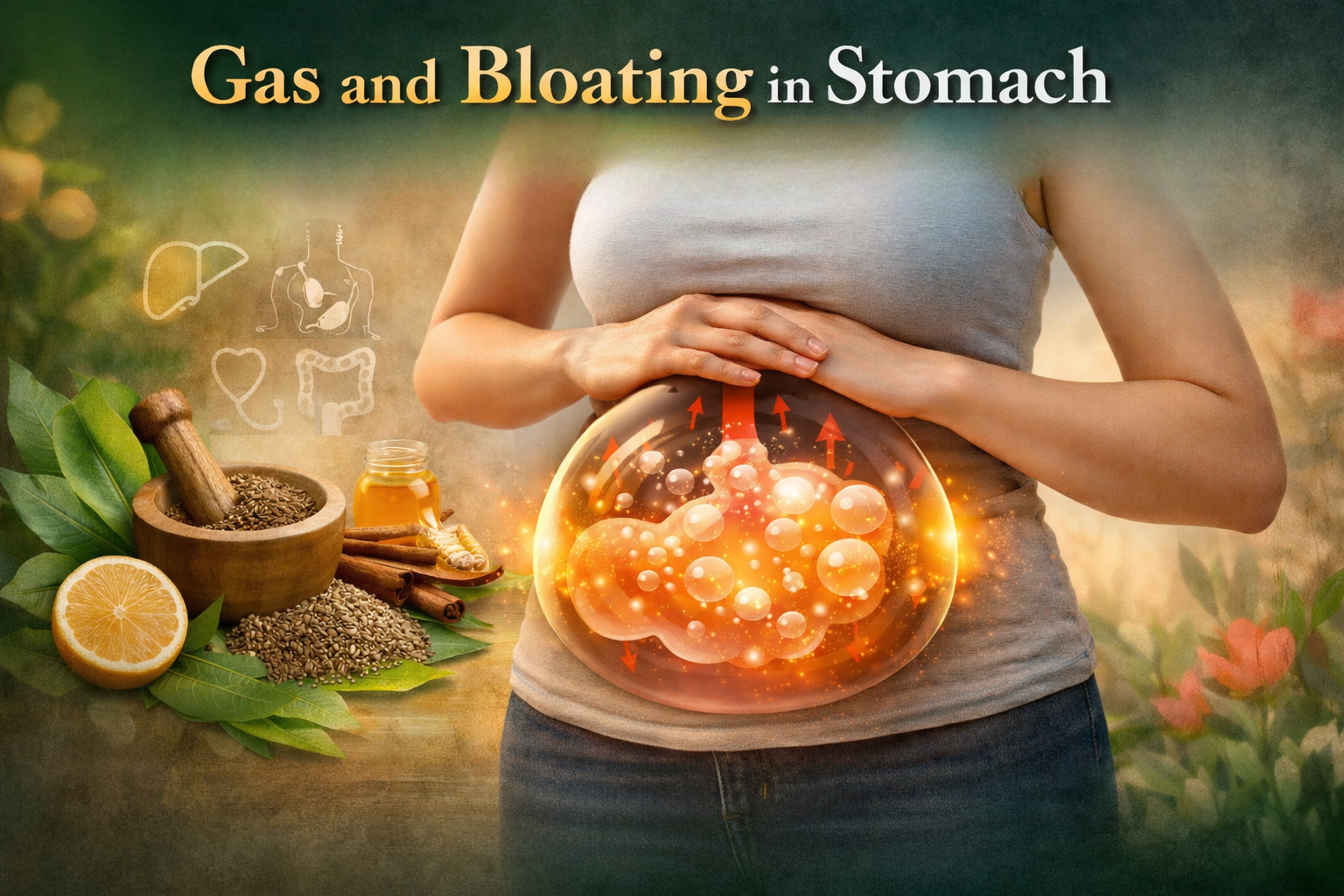
Gas & Bloating: Natural Remedies
Ever had a sensation of uneasiness after eating your favorite food, where your stomach starts to feel tight, heavy, and distended, and you feel like burping or passing gas repeatedly? You are not alone. Millions of people medically pass gas and flatulence on a daily basis—without knowing that they could be blamed for their consumption of food, their stress and the way they’re eating.
At other times, having a bloated tummy is so bad that they find even sitting down or sitting comfortably feels tough or that they feel they can’t work or go out. Fortunately, not all people need powerful drugs for stomach gas to feel better. There are lots of things you can do with your food, lifestyle and natural remedies to reduce gas and bloating in your system.
Throughout this blog, we will learn about the common causes of gas and flatulence, the foods that help reduce bloating and gas, and some natural remedies and foods that work with gas and bloating, helping you relieve yourself naturally from an uncomfortable, bloated stomach.
What Is Gas and Bloating in Medical Terms?
In medical terms, gas is air within the digestive system, primarily comprised of oxygen, carbon dioxide, nitrogen, and methane. This gas is naturally generated as a product of digestion, due to the breakdown of food from the stomach to the intestines. This gas is eliminated by burping or passing of flatus from the body. When too much gas accumulates, however, you will experience discomfort, stomach pressure, and pain.
Bloating is a feeling of fullness, tightness, and swelling in the abdominal area due to trapped gas, weak digestion, overeating, or digestive imbalance. Bloating is sometimes called abdominal distention, when your stomach looks distended or when it feels stretched. While it is normal to experience flatulence or gas, these symptoms may become frequent and can be signs of poor eating habits/food intolerances, constipation, or other digestive disorders.
Knowing the causes of gas and flatulence can be helpful in making food and lifestyle changes. Taking foods to avoid gas and bloating and natural remedies can help improve digestion naturally to relieve discomfort.
What Causes Gas and Bloating?
Gas is a normal by-product of digestion that naturally occurs in the stomach and intestines when food is broken down. In some cases, taking air with the food/drink while eating or drinking can also cause gas to build up.
The Following are some of the common Causes for gas and flatulence:
Eating too fast
Drinking carbonated beverages
Overeating
Stress and anxiety
Constipation
Poor digestion
Food intolerances like lactose intolerance
Regularly consuming fried or spicy food
There are certain foods that can also lead to gas and flatulence, particularly foods that have a high amount of sugar, starch, or fibre.
Common Gas and Bloating Symptoms
Whilst flatulent gas is happening, individuals might detect:
Swollen or tight stomach
Stomach ache or gripes
Frequent burping
Lots of gas passes more than usual
Weight after eating.
Rumbles or gurgles made by the tummy
Sometimes it can cause uncomfortable symptoms, particularly when eating unhealthy, processed food.
Natural Remedies for Gas and Bloating
Blowing gas out of the stomach doesn’t just require pharmaceuticals; many natural remedies can help improve digestion and ease stomach discomfort.
1. Drink Warm Water
Warm water eases the food to pass through the digestive tract. Warm water is important to take post-meals, so that bloating and proper digestion are achieved naturally.
2. Ginger for Digestion
Ginger is one of the top natural remedies to control digestive discomfort. It is beneficial in decreasing inflammation and promoting healthy digestion.
You can:
Drink ginger tea
Add fresh ginger to meals
Chew a small piece of ginger after meals
It may also be one of the effective ways to prevent gas and bloating.
3. Fennel Seeds
The fennel seeds have been traditionally used as a cure for stomach issues. They improve the relaxation of stomach and intestinal muscles, and they help to decrease the production of gas.
After dinner, chew some fennel seeds as this will naturally control flatulence and gas production.
4. Peppermint Tea
Peppermint tea soothes the digestive tract and can also help alleviate bloating and stomach cramps. It may also help to pass wind and relieve stomach discomfort.
5. Stay Physically Active
Going for a stroll post-eating aids digestion and wards off gas in the tummy. Blowing can be a common cause of constipation, and regular exercise can help alleviate that.
Foods to Eat to Reduce Gas and Bloating
Diet is an important part of digestive health. Eating the right foods can help aid in digestion and stop discomfort.
These are some great foods to incorporate into your diet to cut back on bloating:
Yogurt
The healthy bacteria found in yogurt are known as probiotics that aid digestion and maintain gut health.
Bananas
Bananas flush out excess water from your body and bring you into balance with sodium, so that you don’t experience bloating.
Cucumber
Cucumber is composed of a great deal of water and also helps to flush toxic substances out of the body. It reduces bloating and gas and is one of the most refreshing foods.
Papaya
The enzymes present in papaya are digestive enzymes that break down the food properly, avoiding the heaviest stomach.
Rice
If plain rice is not too difficult to digest, then it normally will not result in a lot of gas.
Oats
Oats help promote good digestion and bowel movements without the irritating effect on the stomach.
Foods to Avoid for Gas and Bloating
If you’re having trouble with your gas, there are certain food items you need to avoid to stop bloating.
Some foods can actually aid in good digestion, while other foods can cause gas and flatulence.
Try limiting:
Fried foods
Carbonated drinks
Excess sugar
Processed snacks
Large quantities of beans
Cabbage and cauliflower
Artificial sweeteners
There may be a benefit in limiting these foods to lessen the passing of flatus and discomfort.
Importance of Proper Eating Habits
Eating healthy is as crucial as consuming healthy foods.
Eat Slowly
Avoid eating too quickly, as this allows air to be swallowed, leading to enhanced production of gas.
Avoid Overeating
After swallowing large amounts of food, it is harder for the digestive system to cope with and can cause bloating.
Chew Food Properly
Chewing is essential for digesting food in the mouth and lessening the work that the stomach must do.
Maintain Meal Timings
When meals are irregular, digestion may be upset, and gas and flatulence problems may worsen.
Herbal Remedies for Gas Relief
There are several herbs that, without a doubt, aid with digestive issues normally.
Ajwain (Carom Seeds)
Ajwain is commonly used in traditional medicine for stomach problems. It is useful in reducing gas and improving digestion.
Cumin Water
The cumin water aids in the activity of digestive enzymes and helps prevent bloating after eating.
Chamomile Tea
Chamomile tea calms the muscles in the stomach and eases discomfort.
For mild digestive ailments, these natural treatments may prove less dramatic than taking pharmaceuticals and alleviate the pain and discomfort of gas in the stomach.

Role of Hydration in Reducing Bloating
It’s important to get sufficient liquid intake for proper digestion. When someone is dehydrated, the body retains its moisture, and digestion slows down, causing constipation and more build-up of gas.
Try to take an adequate amount of water throughout the day, which is enough to sort out the bowel movements naturally to avoid bloating.
Stress and Digestion.
Digestion is directly impacted by stress. Stomach discomfort, bloating, and flatulence, as well as gas problems, can all be exacerbated by anxiety and emotional stress.
Stress and Digestive Health
Relaxation methods such as:
Deep breathing
Yoga
Meditation
Proper sleep
Medicines that can be used for stomach gas.
In most cases, relief from the natural remedies will be sufficient to ease discomfort, but sometimes, people may need to take medicine to relieve stomach gas.
When to Use Medicine for Gas in the Stomach
Sometimes, a stomach gas medicine may be necessary to treat serious stomach gas issues that natural remedies can’t cure.
Medicines that can be bought without a prescription can temporarily improve symptoms; however, they cannot substitute for good lifestyle practices. If you experience multiple gastrointestinal problems, this may be a sign of an underlying disease or condition that needs treatment.
See your health care provider if you have:
Severe stomach pain
Persistent bloating
Blood in stool
Unexplained weight loss
Continuous digestive discomfort
Conclusion
Bloating and gas are two common digestive problems that can plague people of all ages. By understanding the Causes of Gas and Flatulence and making healthy lifestyle changes, it is possible to enhance digestion and decrease any discomfort as a result.
Consuming a diet of foods that help eliminate gas, staying well hydrated, participating in regular exercise, and trying out natural remedies such as ginger, fennel, and peppermint can help you keep a healthy digestive system.
There are some choices you can make to improve your digestive health by reducing bloating and gas, and avoiding processed and fried foods. While medication for gas in the stomach can help in easing the pain temporarily, the key to the problem lies in natural ways and adopting healthy habits.
By taking care of your digestive system naturally, you can enjoy better comfort, improved energy, and a healthier life free from excessive flatulence and gas.

