

How To Improve Digestion Naturally
Have you ever felt bloated even after eating a simple meal? Or having chronic acidity, gas, constipation, or stomach heaviness, which takes the mood and energy from the rest of the day? People tend to overlook these symptoms because they think they are normal; however, your body might be telling you that your gut is not healthy.
Your digestive system is more than just your stomach. It impacts your energy levels, your immune system, your skin, your mood, and your wellbeing. With deficient digestive capacity, the body becomes deficient in extracting its nutrients and can experience fatigue, discomfort, and digestive issues. Digestive problems are now becoming more prevalent than ever, thanks to modern eating habits, stress, sleep deprivation, and processed foods.
But the good news is that there are some ways that you can do this naturally and help to improve digestion every single day. With a healthy gut health diet and foods that support gut health in your routine, you should see smoother digestion, a less bloated abdomen, and healthiness from within. In this blog, you will learn what foods are good for digestion, natural remedies, lifestyle tips, and what is the best diet for the gut to help your digestive system work better day to day.
Understanding Gut Health and Digestion
Your digestive system is responsible for breaking down food into its nutrients for your body to use for energy, growth, and repair. A gut microbiome is an ecosystem of healthy bacteria that resides within the stomach, colon, and other areas of your body’s digestive system. These bacteria are essential to gut health and digestion, as well as immunity and even mood regulation.
A disruption of this balance of good bacteria can cause digestive discomfort. Underlying problems in digestion can range from sub-optimal eating habits to excessive consumption of sugar, inadequate amounts of fibre, stress, dehydration, and poor sleep quality. Such a “gut health diet” can help restore this balance naturally.
Being healthy with the gut extends beyond the lack of stomach pain. It’s about helping your body operate at its optimum level daily.
Eat Fibre-Rich Foods Daily
One of the most significant nutrients for digestion is fibre. It aids in smoothness in digestion and helps to avoid constipation. Fibre also supplies healthy bacteria that colonize the gut, thereby enhancing gut health.
Here are some of the most fibre-rich gut health benefits foods:
Whole grains
Oats
Brown rice
Apples
Bananas
Papaya
Leafy green vegetables
Carrots
Chia seeds
Flaxseeds
These foods for a healthy gut can be added to your daily diet of the day to enhance your digestive system and naturally alleviate digestive discomfort.
Fruits such as papaya and Apples are particularly hailed as the prime food for digestion as both these possess natural enzymes and soluble fibre to aid digestion.
Stay Hydrated Throughout the Day
Water is an important part of digestion. It aids with the digestion of food, and it also helps food nutrients to be absorbed properly. Dehydration can reduce digestion, lead to constipation, acid build-up, and retention of water.
Water is essential to keep your digestive system running smoothly. In addition, warm water in the morning can help kick-start your digestive system and help flush out the digestive system naturally.
Ginger tea, fennel tea, and cumin water are herbal drinks that are also great for natural digestion. These old-time spices can be used to eliminate gas and stomach issues.
For those who suffer from common digestive illness symptoms, increasing their water consumption could help relieve them.
Include Probiotic Foods in Your Diet
Probiotics are good bacteria that supply the gut with a healthy microbiota (befriend the germs). They promote digestion, boost the immune system, and balance the gut.
Several foods are good for the gut that have natural probiotics, including:
Yogurt
Buttermilk
Kefir
Fermented vegetables
Kimchi
Sauerkraut
Probiotics in foods may be of benefit to help with gastrointestinal function and decrease bloating when taking in foods for gut health problems. Even more important, yogurt is one of the best foods that can help maintain a healthy gut as it has live bacteria that help digestion and maintain good bowel health.
Traditional homemade curd and buttermilk are simple and effective foods that help to maintain a healthy digestive system.
Eat Slowly and Chew Food Properly
Many wouldn’t credit this, but one of the worst habits for good digestion is not chewing the food. Digestion takes place in the mouth. Thorough chewing makes food easier to break down through the use of digestive enzymes.
Rapid eating can result in indigestion, bloating, and gas formation. It also helps to prevent overeating and overloading the body with nutrients by restricting the speed of eating.
Getting the best gut health diet is essential to practising mindful eating. No distractions while meals are being shared, including the television or mobile phones. Eat slowly and mindfully to aid natural digestion.

Reduce Processed and Sugary Foods
Many processed food items are high in bad fats, added sugars, and artificial food ingredients that can be detrimental to gut health. These foods can upset the balance of healthy bacteria in the digestive tract and play a role in digestive problems.
For optimal digestion, limit silly drinks, packaged junk food, fried foods, and refined flour products.
Rather, opt for natural, whole foods that will nourish gut health. Fresh veggies, fruits, lean proteins, whole grains, nuts, and seeds are all part of a well-rounded diet for gut health.
Initial steps to decrease inflammation and optimize digestive function may include cutting back on processed foods.
Manage Stress for Better Digestion
Stress directly affects digestion. Stress and anxiety have been associated with changes in gut bacteria and may prolong digestion time, leading to stomach discomfort.
Bloating, acidity, constipation, or stomach cramps are common digestive complaints that many people have during stressful periods.
These natural methods of stress management can help maintain a healthy gut and digestion naturally. These include:
Meditation
Yoga
Deep breathing exercises
Walking in nature
Adequate sleep
Quality time with friends and family
The yoga postures like Vajrasana and Pawanmuktasana particularly help in digestion and help to get rid of gas.
Just as a healthy mind can often result in a healthy digestive system, so it can be the other way around as well.
Consume Natural Digestive Spices
Some herbs and spices are thought to aid digestion and have actually been utilized in traditional health systems for many years. These natural ingredients can aid in the stimulation of digestive enzymes and get rid of bloating.
Some digestive spices may be helpful, such as:
Ginger
Fennel seeds
Cumin
Turmeric
Black pepper
Ajwain
Ginger is one of the most popular foods for digestion as it fights nausea, aids in emptying the stomach, and helps in digestion in a natural manner.
Seeds of fennel after meals can improve digestion and decrease gas and bloating. Turmeric’s anti-inflammatory properties also make it beneficial to gut health.
These naturally spiced herbs can be added to your daily meals over time to enhance the comfort of digestion.
Maintain Regular Meal Timings
Eating patterns can disrupt digestion. Acidity and indigestion can result from not eating, late-night eating, or eating too much.
Your digestive system works best if you follow a regular time schedule for meals. There is less strain on the stomach and better digestion if you take smaller and balanced meals throughout the day.
Do not lie down right after eating – this will cause acid reflux and/or discomfort should this happen. A stroll post-dinner will help with proper digestion naturally.
Consistency is an essential element of the best eating plans for a healthy digestive system.
Best Foods for Gut Health and Digestion
It is important to consume the right type of foods for digestive well-being. So here are some of the top gut health foods that aid natural digestion:
Yogurt
Yoghurt helps to promote healthy gut flora and aids in digestion.
Papaya
Enzymes for digestion to help with stomach discomfort and break down proteins.
Banana
A gentle fruit that promotes digestion and supplies fibre for bowel regularity.
Oats
Rich in soluble fibre, which is beneficial for good bacteria in the gut and helps to digest food.
Ginger
Helps to naturally relieve nausea, bloating, and indigestion.
Leafy Greens
Fibre and nutrients for a healthy digestive system.
Chia Seeds
A great source of fibre and omega-3 fatty acids, which are beneficial for gut health.
Buttermilk
Old-fashioned stomach cooling, digestion-enhancing probiotic beverage.
By incorporating such foods into your diet on a regular basis, you can enhance your digestive well-being and contribute to overall health.
Importance of Sleep for Digestive Health
The ability to sleep and digestion are linked. Sleep is crucial, and poor sleep negatively affects gut bacteria and digestion. When you are sleep-deprived, it can cause an increase in stress hormones, causing acidity and digestive discomfort.
Sleep 7–8 hours per night on a good-quality mattress to maximize healthy digestion. Having an appropriate sleep habit can enhance digestion and sleep quality while avoiding large meals before bed.
A healthy body also works better, and so does a healthy digestive tract.
Exercise Regularly for Better Digestion
Exercise is great for intestinal activity and aiding digestion. People who sit around a lot have a slower food turnover, which can lead to constipation.
Walking, stretching, yoga, or cycling are the simplest forms of exercise and can do wonders for the circulation and digestion.
Walking after meals (for 20-30 mins) can help to naturally relieve bloating and help the gut.
Additionally, physical activity helps lower stress levels, going on to further aid digestive health.
Avoid Overeating
When the stomach and digestive system become full, they put on extra strain. Can lead to bloating, being overweight, and reflux.
Key to enhancing digestion is to consume your meals in moderate amounts and pay attention to your body’s signals. Eating smaller portions is better for assimilation and keeps your body energised.
Part of what makes foods good for digestion is mindful portioning.
Natural Remedies for Digestion Problem
Various home remedies can help alleviate common digestive issues naturally.
Warm Lemon Water
Consuming warm lemon water in the morning can help to improve digestion and hydration.
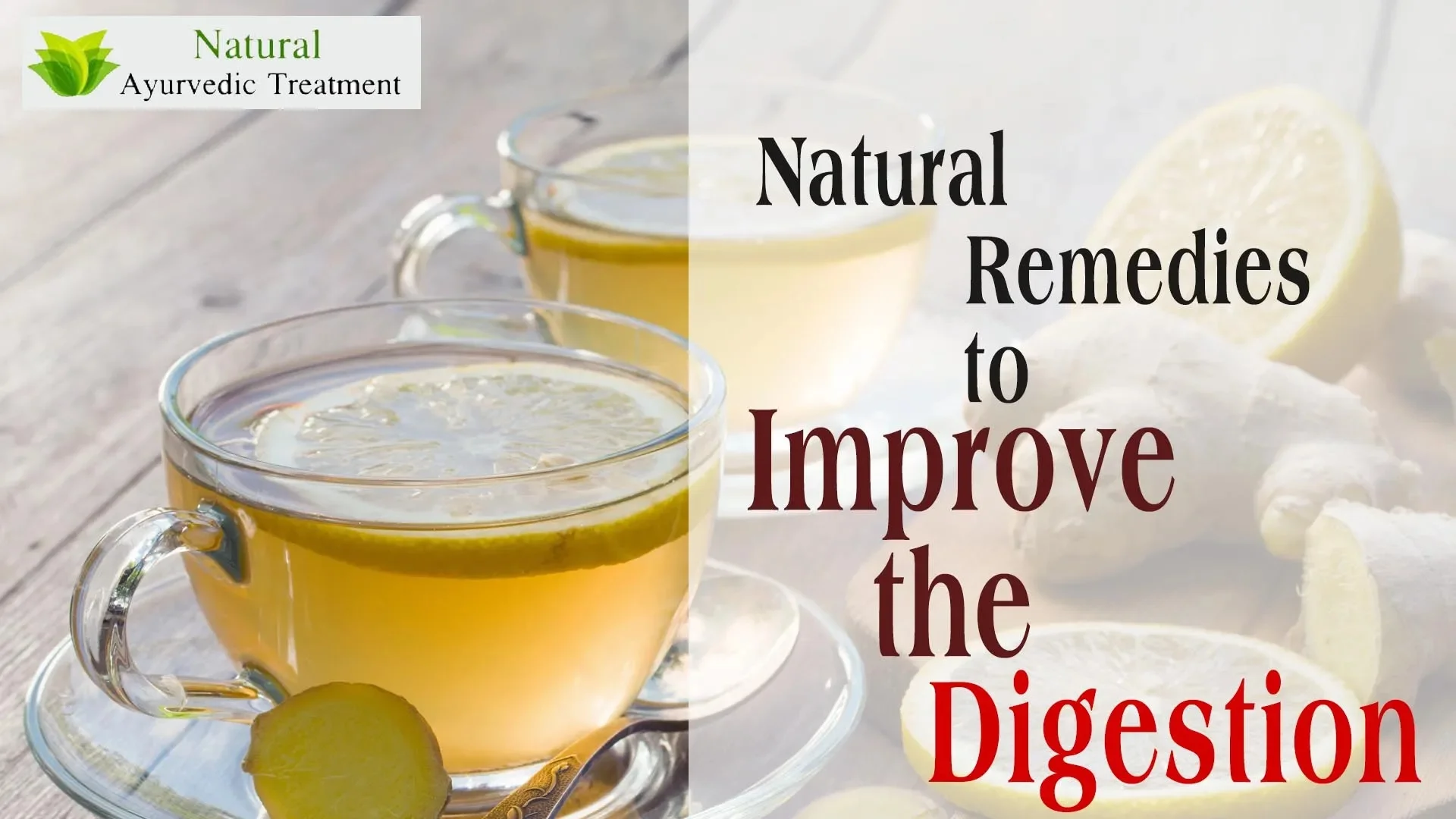
Ginger Tea
Helps minimize nausea, gas, and indigestion.
Fennel Seeds
Taking fennel seeds after eating can help to minimize flatulence and aid digestion.
Cumin Water
Helps in weight management and minimizes indigestion and stomach cramps.
Aloe Vera Juice
May relieve digestive discomfort and promote bowel regularity in moderation.
One of these can be taken as an extra to a proper gut health diet and hence alleviate digestive discomfort naturally.
Final Thoughts
Incorporating several simple daily practices and thoughtful food choices can make it easier to have a healthy digestion. By ensuring a healthy digestive system, energy, immunity, and overall wellness are enhanced. You can achieve long-term gut health naturally with a well-balanced gut health food plan, hydration, stress reduction, and the incorporation of some of the most gut-friendly foods into your diet.
The gut-healthy foods like yogurt, papaya, oats, bananas, and leafy greens can be helpful in supplying foods to fuel the digestive system and restore a healthy balance of gut bacteria. Exercise, sleep patterns, and eating habits are also very crucial to avoiding the symptoms of digestive problems.
Regularity is the name of the game when it comes to good digestion. This is a result of daily small lifestyle adjustments that can have a big impact over time. It’s time to select foods that are great for digestion and to adopt healthy habits so that you’ll have a healthy digestive system for years to come.


